
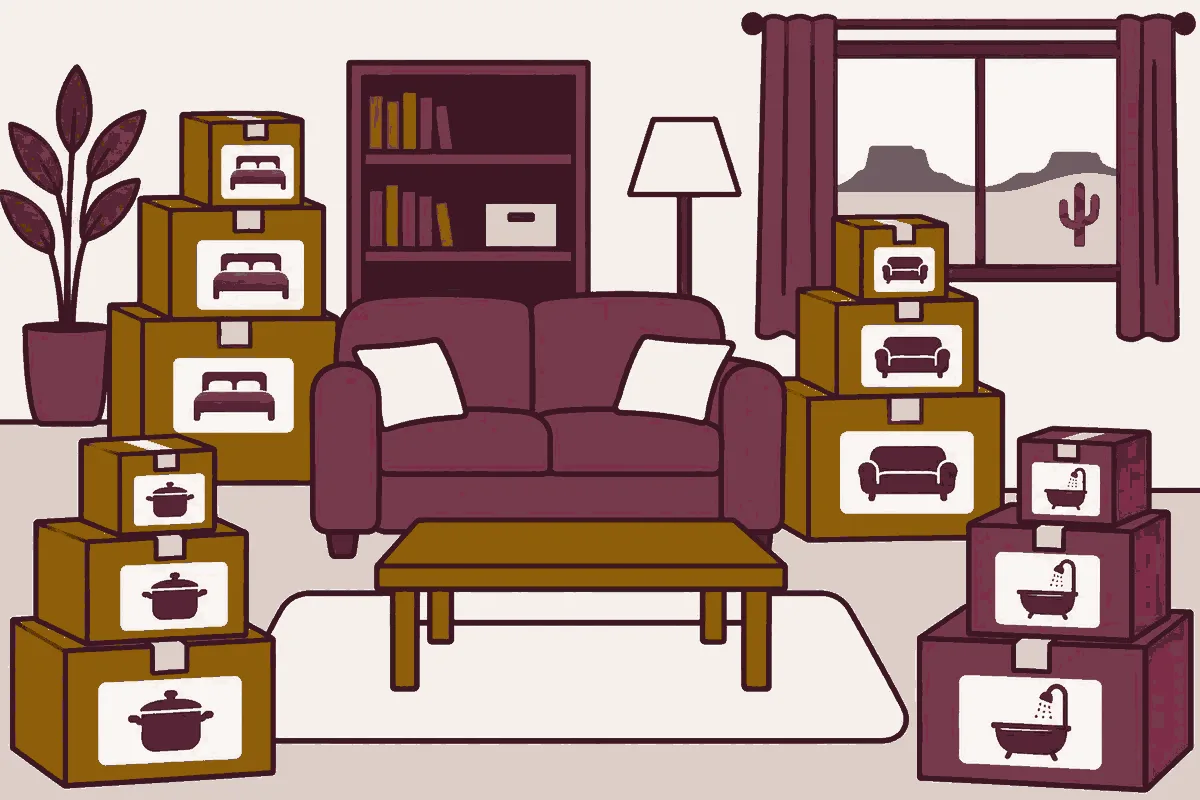
Start with a packing scope: partial or whole-home
Before you buy boxes or wrap a single glass, decide how much of the home you will pack yourself. A partial scope covers the kitchen, the garage, and the rooms you rarely use, while a whole-home scope has every room boxed before the crew arrives.
The choice changes your timeline. If everything is packed, the crew can load in one pass, which matters in Tucson from May through September, when the morning is the only comfortable time to work. If you pack only some rooms, the crew spends part of the day finishing, and the hours add up.
You can also hand part of it off. Elegant Movers offers packing and unpacking, so the crew can wrap the kitchen and artwork while you pack clothes and books. Tell us the scope, and the estimate lists it.
Room-by-room packing instructions
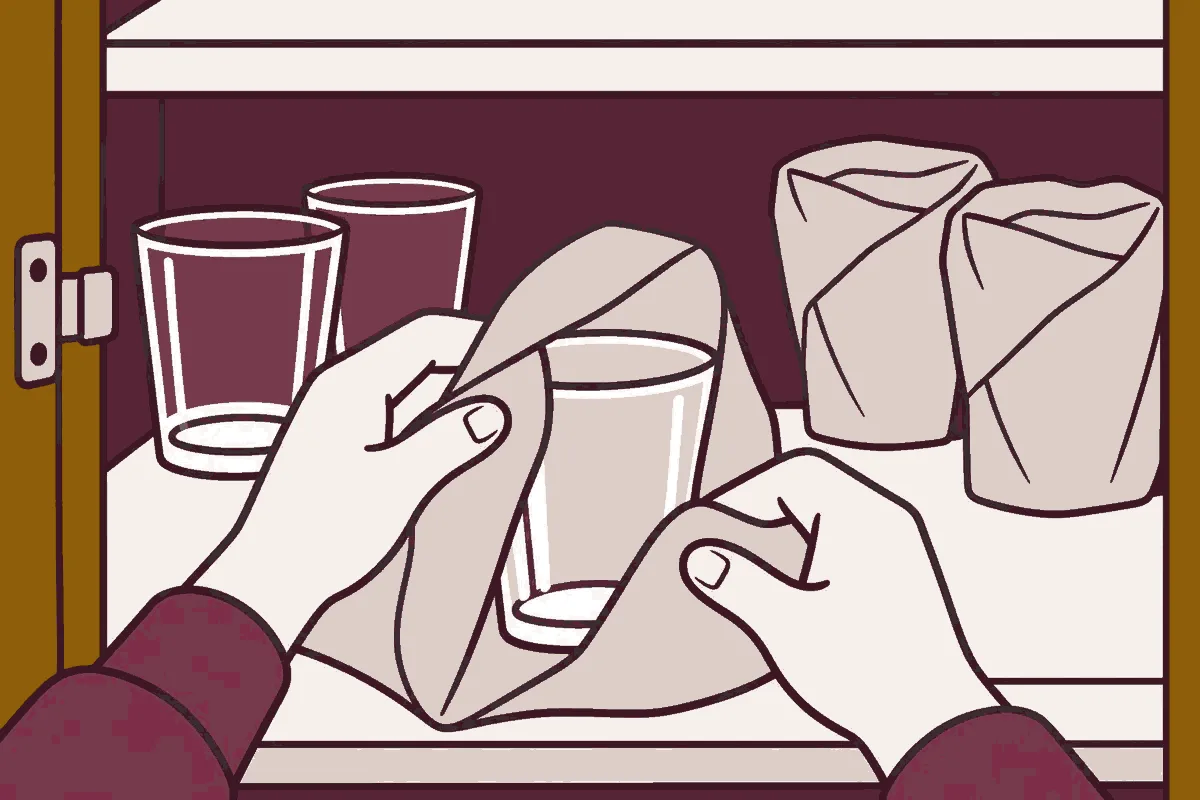
Start in the rooms you use least: guest rooms, hall closets, the garage, and anything seasonal. Leave the kitchen, bathrooms, and daily bedroom items for the last two days, so you are not living out of boxes for a week.
- Use one box per drawer and label it with the room and the drawer location.
- Wrap fragile items individually, then pad each box with paper.
- Tape small hardware to the furniture it came from.
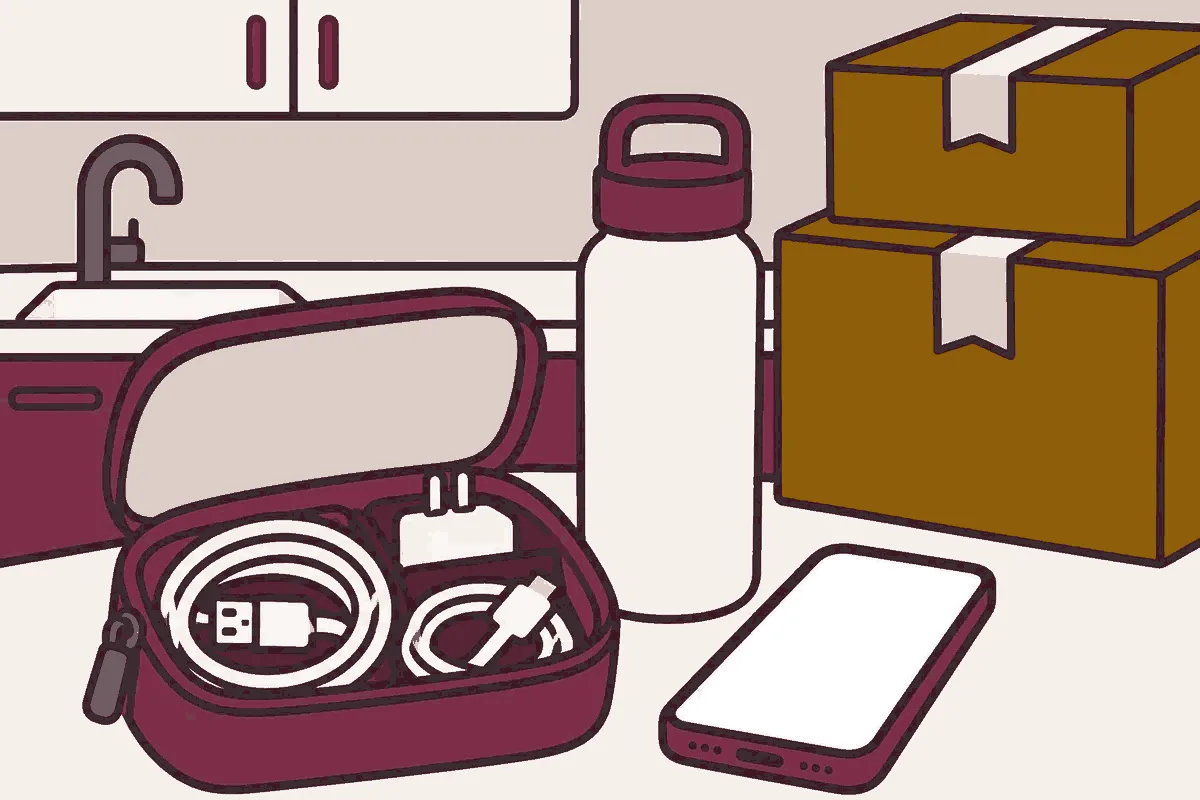
- Put medications, chargers, and paperwork in the essentials bag before sealing boxes.
Work from larger rooms toward shared spaces like hallways and linen closets. If you run out of supplies, stop at a clean point instead of repacking old boxes later.
What packing materials to use
Good boxes are sturdy, uniform, and the right size. Use small boxes for books and heavy items, and larger boxes for linens and clothes. Fill gaps with paper so nothing shifts when the box is lifted.
In the desert, cardboard stored in a hot garage gets brittle, and tape can lose its grip in the heat. Buy or collect boxes close to packing day, keep them indoors, and tape every seam twice. Candles, wax melts, and some cosmetics soften in a hot truck, so pack them in a cooler bag that rides with you.
Mark fragile boxes and keep one essentials bag
Write the room on the top and one side of every box, and add FRAGILE to anything with glass, ceramics, or electronics. Use the same words on every box so the crew can read them at a glance, even when the carton is stacked.
Keep one bag with chargers, medications, glasses, toiletries, and a change of clothes. It stays with you during loading, not on the truck. A water bottle or two belongs in it as well, since moving days in Tucson get warm fast.
Unpacking means taking items out of boxes
When the furniture lands, unpacking is the same process in reverse: cut the tape, remove the paper, and place each item in the room where it belongs. You can work room by room or box by box.
Start with the rooms you need tonight, usually the bedroom and the kitchen. Break down empty boxes as you go and stack the paper, so the next day starts with a clear floor. Leave the rest for the weekend.
A short checklist for packing day
- Decide which rooms are in the packing scope and mark anything that stays behind.
- Keep fragile boxes upright and label them on at least two sides.
- Set the essentials bag aside and keep it with you.
- Clear a path so boxes do not block doors, stairs, or hallways.
- Ask early about specialty items like artwork, mirrors, and plants.
This checklist keeps the last hours calm. Walk through each room, close the drawers, and check closets, the garage, and patio storage before the crew starts. When boxes are labeled and the path is clear, loading goes faster.