
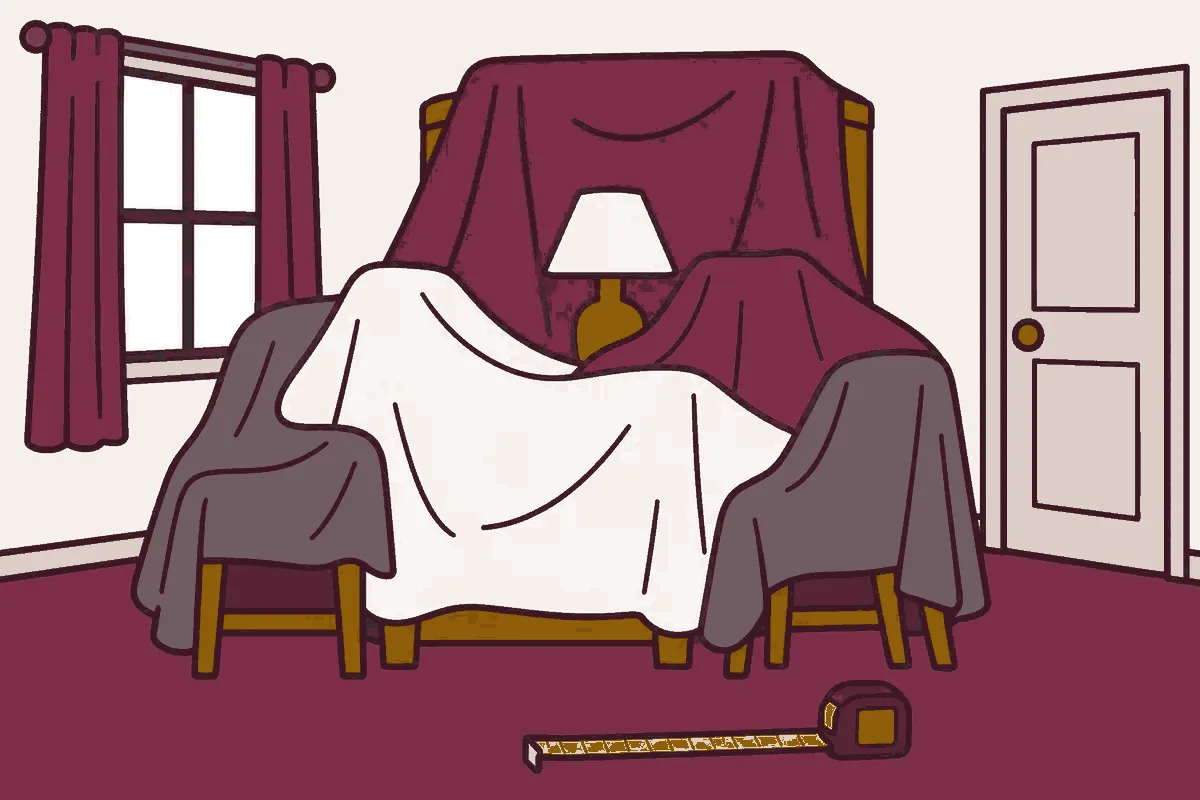
Build a practical furniture inventory first
Walk through every room with a notepad and list the pieces that are actually going. Note the large items first, then add the smaller ones: nightstands, desks, shelving units, and anything with glass. Mark which pieces break down and which must move whole. Keep the list short enough to be useful on moving day.
Once the inventory is written, separate fragile pieces from sturdy ones and note anything that needs extra protection. In Tucson, add patio furniture, outdoor tables, and heavy planters, which are easy to forget and often the heaviest pieces in the load. Your list also tells the crew what to expect at the door, so the right number of movers shows up.
Measure the full route before the move
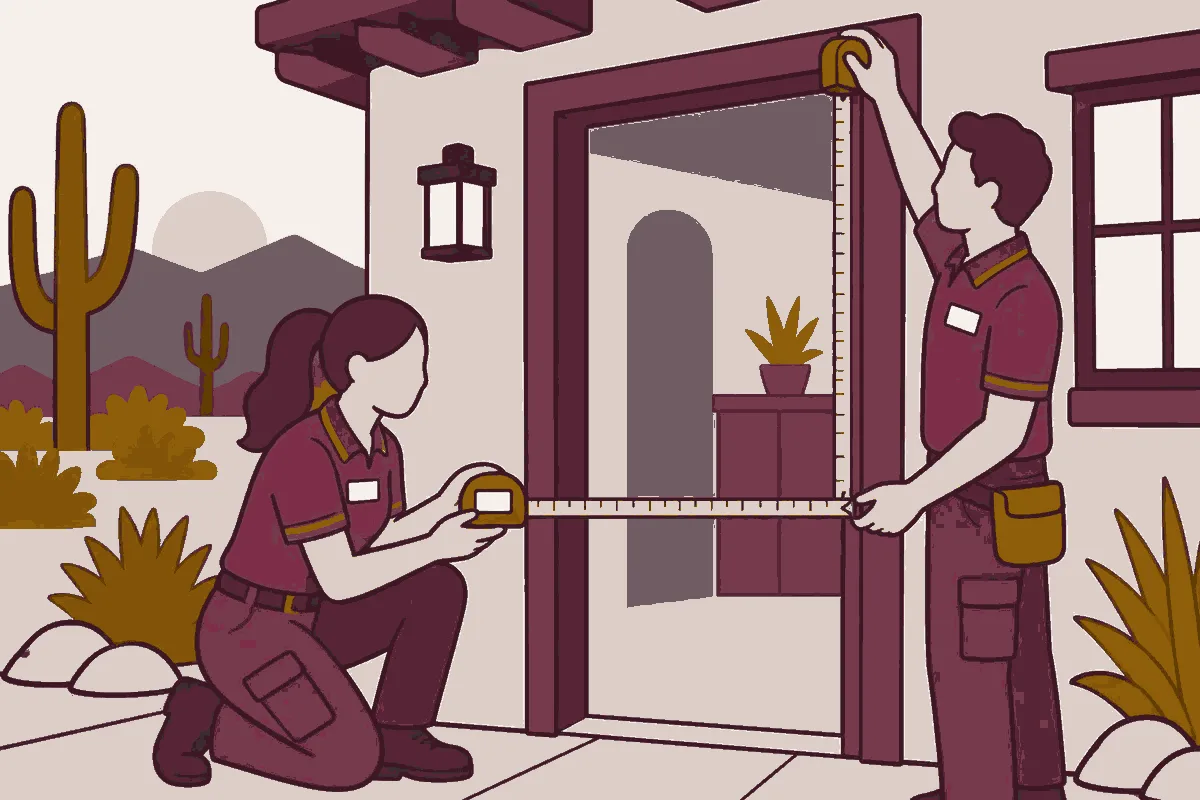
Start with the doorway you will use to carry the piece out. Measure the clear opening from jamb to jamb, not the width of the door slab, because hinges, handles, and trim can reduce the space. Do the same for the delivery side and for every doorway along the hall.
A sofa can clear a doorway and still fail at the end of a hallway. Compare the width of the hallway with the diagonal of the piece, and check the landing at the top of the stairs, where you need room to turn. An elevator adds its own limits: measure the cab depth, the door height, and the distance from the elevator to the apartment door.
If a measurement is tight, write it on the inventory and mention it when you request service. Mention HOA rules too: some Tucson communities limit truck size or hours, which changes how far the crew must carry a piece. A few specific numbers are more useful than a general note that a piece is large.
Rearranging inside the same home is separate work
Moving furniture from one room to another at the same address is not the same as a full move, and it needs a separate plan. The crew still carries the piece through doorways and halls, but the route stays inside the building and the work is shorter. Tell the scheduler whether you need a rearrange or a full move so the service is quoted for the right scope.
For help that only covers the lifting and carrying, ask about loading, unloading, and moving labor and describe the pieces and the path. A one-room shift often needs the same planning as a longer move, since the route through doors and halls still has to be measured.
Label parts, drawers, and fragile panels
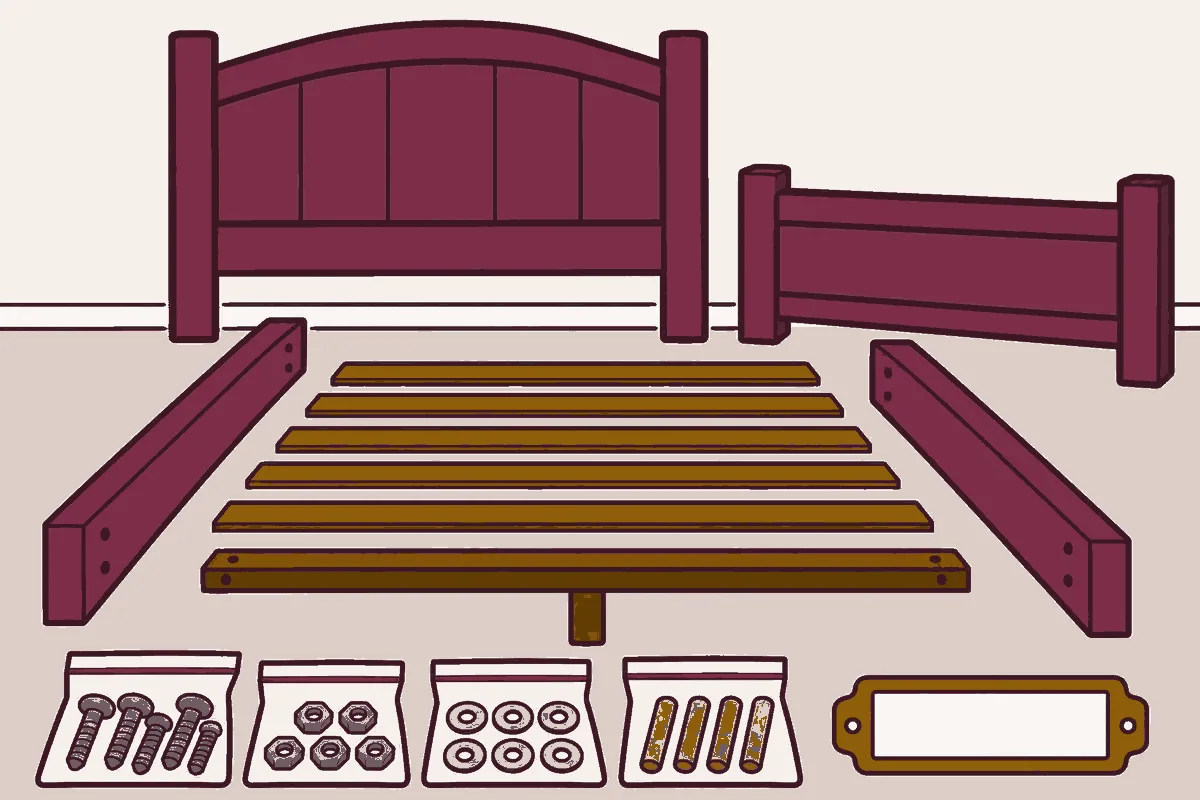
Do not rely on memory after the pieces are wrapped. Put small labels on drawer fronts, shelf brackets, and hardware, and use a separate bag for screws that belong to the same item. Take a quick photo of each piece before it is taken apart, so the parts can be matched later.
Write the word glass on the outside of the piece or on the side panel, not just on the label inside a drawer. Mark the top of a table so nobody flips it when the base is heavier. Fragile wording should stay visible until the piece is set in the new room.
Ask these questions when you book the date
- Is there room to park the truck near both pickup and delivery, and how far is the walk to the door?
- Are there narrow doorways, tight stair landings, or low railings that would require a piece to be disassembled first?
- Ask whether padding and wrapping are included in the service or should be arranged separately for glass and mirrors.
Clear the path, then use your inventory
Before the crew arrives, move loose rugs, cords, floor lamps, and small tables out of the walkway. Push chairs into a corner and open the main door wide. On a hot day, keep the air conditioner running until the last piece leaves so the crew works in a comfortable house, and hold doors open only while carrying so the cool air stays in.
Keep the inventory at the door and check off each piece as it is loaded. Note any damage you spot before the item leaves, so there is no confusion later. The list is the last safety check, not a formality.